
J Luxe Medical Aesthetics logo in Hackney, London
J LUXE

J Luxe Medical Aesthetics

Coming Soon

We are preparing something new. Our website is currently in coming-soon mode and will be available after launch.

08

Days

00

Hours

00

Minutes

00

Seconds

Chemical Peels Pre & Post-Treatment Guidelines at J Luxe Medical Aesthetics

J Luxe Medical Aesthetics

Chemical Peels Pre & Post-Treatment Guidelines

Review your treatment-specific preparation and aftercare instructions before your appointment. These guidelines are treatment-specific and should be followed alongside advice given by your practitioner.

Chemical Peels Pre & Post-Treatment Guidelines

J Luxe Medical Aesthetics logo

J Luxe Medical Aesthetics

London, GB


Clinical Skin Resurfacing

Chemical Peels Pre & Post-Treatment Guidelines

This guide applies to in-clinic peel protocols including BioRePeel and PRX-T33 plans for face, neck, decolletage, and selected body areas.

1. Treatment Overview

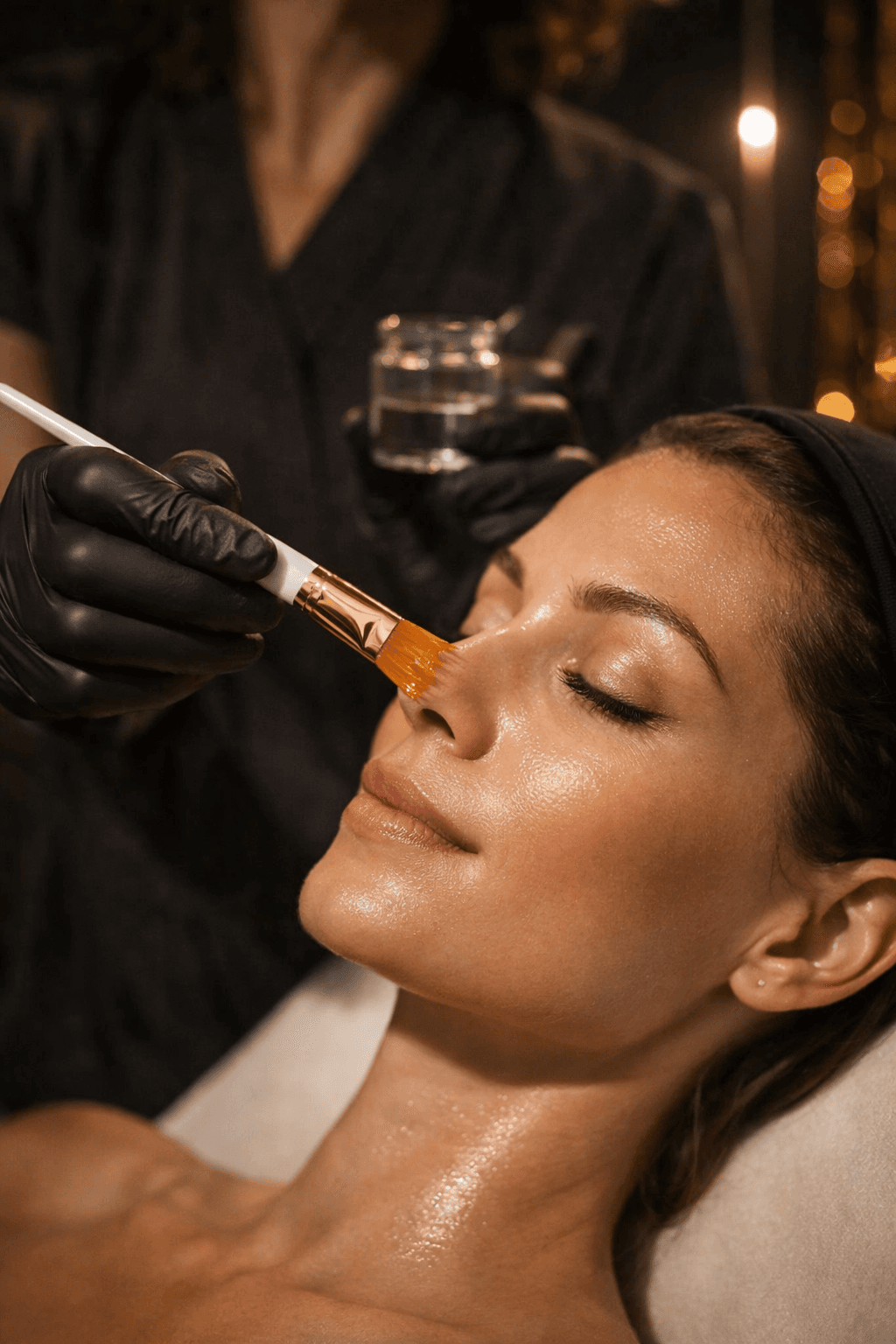
Chemical peels use controlled exfoliation to improve texture, brightness, tone irregularity, and overall skin quality. Different peel protocols have different strengths and expected recovery patterns.

Multiple sessions are often required for cumulative improvement. Strict aftercare is essential to protect the skin barrier and reduce pigmentation or irritation risk.

2. Medical & Safety Requirements

A full skin and medical review is required before each peel. Treatment may be postponed or modified if contraindications are present.

  • You are pregnant, planning pregnancy, or breastfeeding (product-dependent).
  • You have active dermatitis, eczema flare, open wounds, infection, or sunburn in the treatment area.
  • You have used isotretinoin recently (timing must be assessed clinically).
  • You have had recent laser, needling, waxing, or aggressive resurfacing in the area.
  • You have active herpes simplex history without disclosed management plan when relevant.
  • You have a history of severe post-inflammatory hyperpigmentation, abnormal scarring, or poor wound healing.

3. Pre-Treatment Preparation

To lower complication risk and improve peel tolerance:

  • Stop retinoids, exfoliating acids, benzoyl peroxide, and strong active serums 5-7 days before treatment unless medically instructed otherwise.
  • Avoid sun exposure, tanning, and fake tan in treatment areas for at least 7 days before treatment.
  • Avoid waxing, threading, depilatory creams, and abrasive scrubs in treatment zones for around 7 days before treatment.
  • Disclose all prescription skincare, recent procedures, and any new medication.
  • Attend with clean skin and no heavy makeup.

4. On the Day of Treatment

During treatment, you may feel warmth, tingling, or brief stinging depending on peel type. Treatment intensity is selected based on your skin condition and tolerance.

Immediate post-treatment appearance may include erythema and a tighter skin feel. This is commonly temporary.

5. Post-Treatment Care (First 7 Days)

Follow all post-care instructions exactly to reduce irritation and pigment complications:

  • Use gentle cleanser, barrier-supporting moisturizer, and broad-spectrum SPF 30-50 daily.
  • Do not pick, peel, rub, or force shedding skin.
  • Avoid retinoids, exfoliating acids, scrubs, and active resurfacing products until your practitioner advises reintroduction.
  • Avoid intense exercise, heat exposure, saunas, and steam rooms for 24-48 hours.
  • Avoid direct sun exposure and tanning while skin is healing.
  • Avoid additional facial procedures (waxing, peels, microneedling, laser) until clinically cleared.

6. What to Expect During Recovery

Common and usually temporary:

  • Mild redness, tightness, dryness, or flaking.
  • Temporary darkening of superficial pigmentation before exfoliation.
  • Variable downtime depending on peel type, depth, and skin sensitivity.

If peeling is minimal, this does not mean treatment was ineffective. Healing response varies by skin type and peel protocol.

7. Aftercare Guide (Days 2-14)

  • Continue barrier repair skincare and broad-spectrum SPF every day.
  • Do not restart active acids/retinoids until your practitioner confirms timing.
  • Avoid friction, picking, and unnecessary heat exposure while shedding is active.

8. Potential Risks & Side Effects

  • Prolonged erythema, persistent irritation, or delayed healing.
  • Post-inflammatory hyperpigmentation or uneven pigment change.
  • Unexpected blistering, crusting, or secondary infection.
  • Suboptimal outcome if pre-care or post-care guidance is not followed.

9. Disclaimer & When to Contact the Clinic

Contact J Luxe immediately if you experience any of the following:

  • Severe swelling, blistering, or intense burning pain.
  • Yellow crusting, pus, or signs of infection.
  • Spreading redness with increasing tenderness or fever.
  • Unexpected severe pigment change or prolonged delayed healing.

Early intervention helps preserve skin integrity and outcome quality.


1. Please sign below to confirm you've read and understood the guide *

Draw signature
Customer SignatureTimestamp captured on sign